
MBTI Facilitation · Myers-Briggs Coaching · Teams & IndividualsSixteen Personality Types Explain More About Your Team's Friction Than Any Org Chart Ever Will
As a certified MBTI practitioner and Myers-Briggs coach, I help individuals and teams turn a four-letter type into something usable, clearer communication, fewer avoidable conflicts, and a shared language for describing differences that used to just feel like personality clashes.
Trusted by LEADERS AT:Washington University in St. Louis Edward Jones Ohio State University Honeywell Ecolab
The InstrumentWhat those four letters actually measure
MBTI sorts people along four preference pairs, not fixed boxes. Each one describes a direction you're naturally inclined to lean, not a limit on what you're capable of.
E
Extraversion
Directs energy outward, toward people, activity, and the external world.
I
Introversion
Directs energy inward, toward ideas, reflection, and internal processing.
VS
S
Sensing
Takes in information through concrete facts and present, observable reality.
VS
N
Intuition
Takes in information through patterns, possibilities, and future implications.
T
Thinking
Decides based on logical consistency and objective criteria.
VS
F
Feeling
Decides based on impact on people and alignment with shared values.
J
Judging
Approaches the outside world seeking structure, plans, and closure.
VS
P
Perceiving
Approaches the outside world staying flexible and open to new information.

Where this actually gets usedThree ways teams and leaders put MBTI to work
01 - Individual Coaching
1:1 Myers-Briggs Coaching
A guided debrief connecting your type to real decisions, communication habits, and the situations at work that tend to drain you versus energize you.
02 - Team Workshops
Myers-Briggs Team Building
A facilitated session mapping your team's mix of types, so the group gets a shared vocabulary for differences that used to just read as friction.
03 - Organization-wide
Myers-Briggs Corporate Training
Structured, multi-session training for managers and departments on applying type awareness to feedback, delegation, and how meetings actually run.
Worth Addressing DirectlyWhat people usually assume about MBTI, and what's actually true
The Assumption"It's just a fun personality quiz, like something you'd find online."
What's Actually TrueThe theory behind it traces back to Carl Jung's work on psychological type and has been studied and refined for over 60 years. It's still one of the most widely used tools in corporate training, not because it's trendy, but because it gives teams a shared, neutral vocabulary for real differences instead of vague complaints about personality.
The Assumption"Your type explains your entire personality."
What's Actually TrueType isn't a full personality profile or a cage. It's four preferences describing how you're inclined to focus energy, take in information, decide, and structure your world, a starting point for conversation, not a ceiling on who you can become.
The Assumption"Taking the assessment is the whole exercise. You'll get the value on your own from the report."
What's Actually TrueA results printout gives you four letters. A facilitated debrief is what turns those letters into language your team actually uses in a Monday meeting. Most of the real value lives in the conversation after the assessment, not the assessment itself.
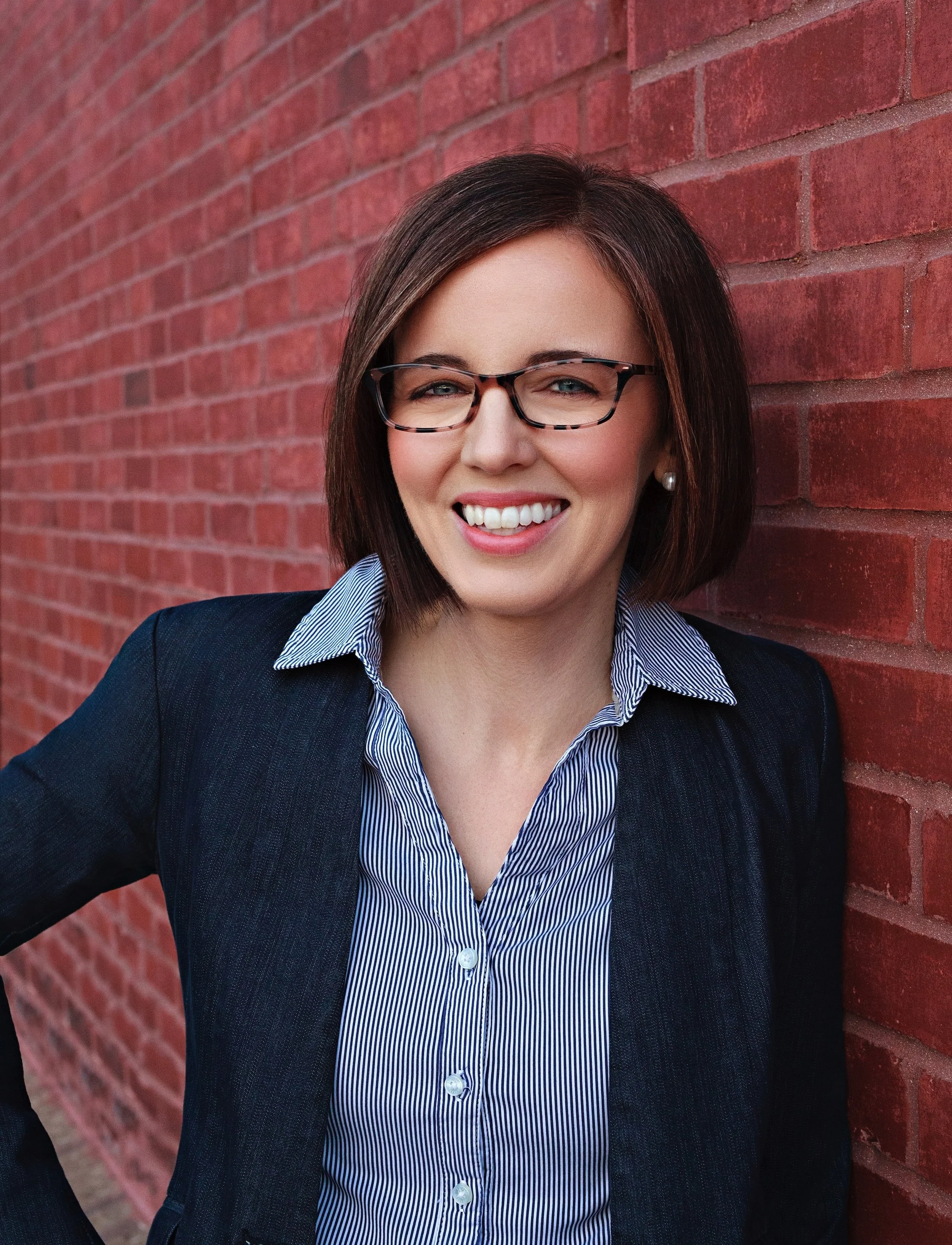
Meet Your COachHi, I'm Bethany Peters — type awareness only matters once someone helps you use it.
With over 20 years spanning higher education, organizational leadership, coaching, and team development, I've spent my career studying what actually changes how people work together, then translating that research into sessions people leave able to use.
I hold a Ph.D. and am a Professional Certified Coach (PCC) through the International Coaching Federation. I'm a certified MBTI practitioner, also certified in CliftonStrengths, Working Genius, the Enneagram, and EQi 2.0, so personality type never gets handed to a team in isolation. It gets layered against how people actually lead, decide, and get work done.
PH.D. · PCC (ICF) · MBTI · CLIFTONSTRENGTHS · WORKING GENIUS · ENNEAGRAM · EQI 2.0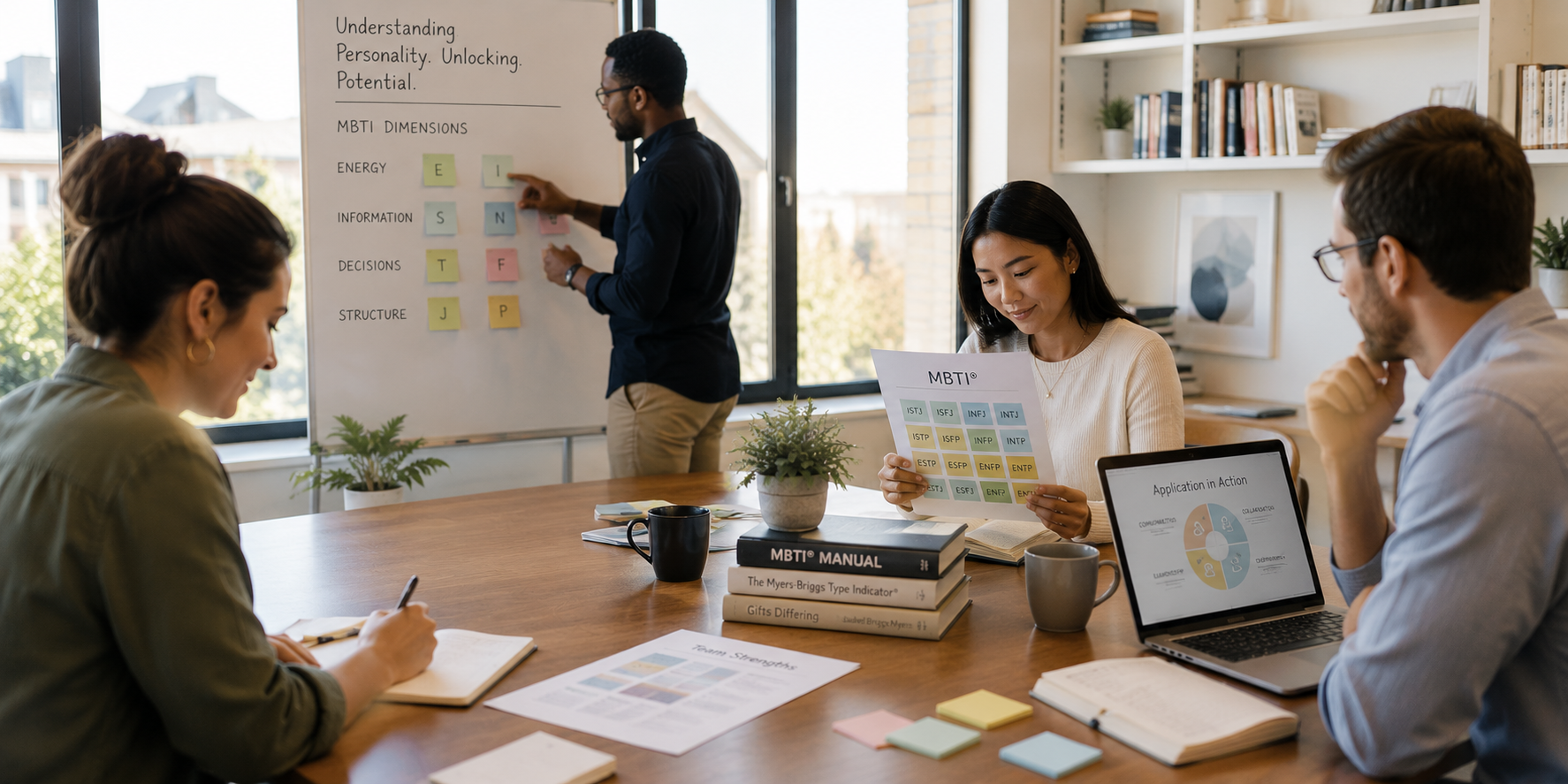
What clients are saying
"Bethany's thoughtful approach created a safe space to reflect deeply on my strengths and passions. She combines energy and enthusiasm for your growth with futuristic, strategic thinking, asking insightful questions that helped me see how my personality and talents connect in ways I hadn't considered."
—Nicole Palser, Executive Director"Bethany is an expert at helping you see your leadership growth path more clearly than you can on your own. She helped me identify my exact growth edge, build a concrete plan to address it, and leverage my existing strengths with greater intentionality."
—Vanessa R., Senior Project Leader"Working with Bethany is an absolute delight. She customized her approach to each person and, if it was appropriate, sent specific resources to further support their learning journey. I wholeheartedly recommend her."
—Lindsay Karson, Learning & Development ManagerCommon questions
-
An MBTI facilitator leads a live session helping a group take, interpret, and apply their Myers-Briggs results together, connecting each type to real communication patterns and team dynamics, rather than leaving people to read a report on their own.
-
A facilitator typically leads a group or team session. A coach applies type to an individual's ongoing development, often across several 1:1 sessions. Dr. Bethany Peters works in both capacities, depending on whether the engagement is for a team or a single leader.
-
MBTI is grounded in Carl Jung's theory of psychological type and has been researched and refined for decades. It's best understood as a framework for describing preferences, not a scientific measurement of fixed traits, which is exactly why the facilitation matters as much as the assessment itself.
-
A team building session maps the group's mix of types, then surfaces where those differences are already causing friction or going unrecognized as strengths, giving the team a shared, neutral vocabulary to talk about how they communicate and work together.
-
Yes. Bethany is a certified MBTI practitioner in addition to holding a Ph.D. and Professional Certified Coach (PCC) credential through the International Coaching Federation.
-
Yes. Bethany is based in St. Louis and facilitates team building activities and workshops on-site for local organizations, as well as virtually for teams outside the area.